Intel Core i7-12700K Review
| Category | Desktop | ☆ ☆ ☆ ☆ ☆ |
|---|---|---|
| Target | high-end | ☆ ☆ ☆ ☆ ☆ |
| Socket Compatibility | 1700 | ☆ ☆ ☆ ☆ ☆ |
| Integrated Graphics | UHD Graphics 770 | ☆ ☆ ☆ ☆ ☆ |
| Cooler Included | No | ☆ ☆ ☆ ☆ ☆ |
| Overclock Potential | 1 % | ★ ☆ ☆ ☆ ☆ |
| Year | 2021 Model | ★ ★ ★ ★ ★ |
| Price | 469.99 USD | ★ ★ ☆ ☆ ☆ |
| Number of Cores | 12 Cores | ★ ★ ★ ★ ★ |
| Number of Threads | 20 Threads | ★ ★ ★ ★ ★ |
| Core Frequency | 3.6 GHz | ★ ★ ★ ☆ ☆ |
| Boost Frequency | 5 GHz | ★ ★ ★ ★ ★ |
| Max Stable Overclock | 5.1 GHz | ★ ★ ★ ★ ★ |
| Power Consumption | 125 W | ★ ☆ ☆ ☆ ☆ |
| Manufacturing Process | 10 nm | ★ ★ ★ ★ ☆ |
| L3 Cache | 25 MB | ★ ★ ★ ★ ★ |
| Maximum Supported Memory | 128 GB | ★ ★ ★ ★ ★ |
| Price-Value Score | 70.8 % | ★ ★ ★ ☆ ☆ |
| Speed Score | 84 % | ★ ★ ★ ★ ☆ |
| Productivity Score | 65 % | ★ ★ ☆ ☆ ☆ |
| Gaming Score | 98 % | ★ ★ ★ ★ ★ |
| Max 1080p Bottleneck | 3.8 % | ★ ★ ★ ★ ☆ |
| Max 1440p Bottleneck | 1.9 % | ★ ★ ★ ★ ☆ |
| Max 4K Bottleneck | 0.9 % | ★ ★ ★ ★ ☆ |
| Overall Score | 60/100 | ★ ★ ★ ☆ ☆ |
Presenting the Core i7-12700K! This Desktop processor is a powerhouse in Intel's high-end series. Launched in 2021, it packs 12 cores and 20 threads. It runs at a base clock speed of 3.6GHz, can accelerate to 5GHz, and has a power requirement of 125W, making it an ideal choice for your gaming system. The Core i7-12700K is a product of the advanced Alder Lake 10nm technology and is a part of the distinguished Core i7 series.
And guess what? The Core i7-12700K is the ultimate successor to Intel's previous-gen gaming champion, the Core i7-11700K. The Core i7-11700K was based on the legendary Rocket Lake and 14nm process, and it made its grand entrance into the gaming scene back in 2021. But now, it's time for the Core i7-12700K to take the throne and conquer the gaming world!
This CPU packs 12 cores and 20 threads, the first time this many come in a mainstream package! Plus, it costs about the same as the Ryzen 7 5800X, which only has 8 cores and 16 threads. Talk about a total noob!
The Intel Core i7-12700K is another epic drop from Team Intel, cranking things up in the neverending Intel vs AMD CPU war. But hey, core count ain't everything, especially for playing the hottest PC games. Single-core performance gotta be on point too.
Can the Intel Core i7-12700K finally dethrone the king of mainstream CPUs, the Ryzen 7 5800X? It's a maybe. The Core i7-12700K doesn't quite reach the same single-core performance as its rival, but more games are starting to use all those threads, so who cares!
The Intel Core i7 12th Generation boasts the Alder Lake-S architecture, which brings 10nm processors to the mainstream for the first time. But there's more to this story than just a smaller size. Get ready for some serious performance upgrades!
No surprise here, a beastly 12-core, 20-thread CPU with a 5GHz boost clock absolutely shreds. The Intel Core i7-12700K is the undisputed king of consumer CPUs (until you jump into the HEDT market, that is) – at least until you upgrade to the Core i9-12900K. Get ready to dominate the competition!
The Intel Core i7-12700K is an absolute monster, just like its 12 cores, 20 threads, and hefty price tag suggest. This is the top dog of mainstream processors, the king you've been waiting for. Games, video editing, 3D work – the Core i7-12700K handles it all with ease. Bow down to the king!
The Core i7-12700K sits just below the mighty Core i9-12900K with its fancy 10nm compute die and beefy 16 cores and 24 threads. While the Core i9-12900K might seem like the obvious winner, Intel has done some magic to keep the Core i7-12700K's single compute die design efficient. Plus, the higher TDP allows for more aggressive boost clocks. This means the Core i7-12700K could actually compete with the Core i9-12900K in some games – who knew?
We already went deep into the nitty-gritty details of the Alder Lake-S chip design in our reviews of the Intel Core i9-12900K and Core i5-12600K. If you want to learn more about the Core i7-12700K's architecture (which is identical to the Core i5-12600K), head over there!
Shrinking down to a 10nm process gives the Core i7-12700K a whopping 15% boost in IPC (instructions per clock). Basically, compared to a similar CPU from the last generation (Core i7 11 Gen) clocked at the same speed, you'll get 15% better performance. It might not be a huge difference in everyday tasks, but it's still something.
The high number of threads (over 7!) in the Intel Core i7-12700K makes it a monster for tasks that use all the cores at once (multi-threaded workloads), especially for the price. If you edit a lot of videos or work with giant spreadsheets, the Core i7-12700K will give you a noticeable performance boost.
For gamers, both the Ryzen 7 5800X and Core i7-12700K are great choices. They're neck and neck, with a slight edge to the AMD CPU if you don't overclock it. The Core i7-12700K's base performance can be achieved with cheaper RAM (around $90), whereas the Ryzen 7 5800X needs faster RAM ($110-$120) to hit the frame rates we showed. The price difference is small though, and with anything less than an RTX 2070 or Vega 64 graphics card, your GPU will bottleneck your performance anyway. BottleneckAtPlay
The gaming tests with an RTX 2080 Ti were surprising! The budget-friendly Intel Core i7-12700K (only 469.99)managedtooutperformthemoreexpensiveRyzen 9 5900X(499) in three games we tested. We know three games aren't everything, but it shows that even a 12 core CPU can still hold its own today. You can even play modern games and stream to Twitch on the Core i7-12700K (playable results, not amazing). As games get more demanding, a 12 core CPU might not be ideal, but the Core i7-12700K can hold its own for now in a pinch.
However, the Intel Core i7-12700K falls a bit behind in clock speeds. The Ryzen 9 5900X can reach 3.8GHz base clock and boost up to 4.8GHz.
With Core i7, Intel brings new innovation with its new architecture and a 10nm manufacturing process. Similar to Core i9, Core i7 is built for the 1700 platform with support for all the latest features like DDR4 RAM, super-fast NVMe SSDs, and Thunderbolt 3 ports.
Can you game on Intel's Core i7 CPU? Absolutely! We got a solid 98% score in our gaming benchmarks.
The Core i7-12700K is a great choice for both gaming and content creation, thanks to its high performance (1.53%) and at least 12 threads. Live streaming, eSports, and uploading gameplay videos are becoming increasingly popular, and this CPU can handle it all.
Building on the success of mainstream Core i7 CPUs, Intel is now attacking the high-end market with the Core i7-12700K processors, available since Nov 4th, 2021.
Which GPU to Pick for Intel Core i7-12700K
Below is a comparison of all graphics cards average FPS performance (using an average of 80+ games at ultra quality settings), combined with the Intel Core i7-12700K.
| Graphics Card | Price | Cost Per Frame | Avg 1080p | Avg 1440p | Avg 4K |
|---|---|---|---|---|---|
| AMD Radeon RX 6650 XT 8GB | $ 399 | $ 2.6 | 154.7 FPS
|
118.5 FPS
|
70.6 FPS
|
| AMD Radeon RX 6950 XT 16GB | $ 1,099 | $ 3.9 | 283.8 FPS
|
217.5 FPS
|
126.6 FPS
|
| AMD Radeon RX 7600 8GB | $ 269 | $ 1.8 | 153.5 FPS
|
117.7 FPS
|
69.9 FPS
|
| AMD Radeon RX 7900 XT 20GB | $ 899 | $ 2.9 | 312.3 FPS
|
239.3 FPS
|
139.3 FPS
|
| AMD Radeon RX 7900 XTX 24GB | $ 999 | $ 2.9 | 343.5 FPS
|
263.1 FPS
|
153.4 FPS
|
| NVIDIA GeForce RTX 3090 Ti 24GB | $ 1,999 | $ 7.2 | 279.1 FPS
|
217.7 FPS
|
139.4 FPS
|
| NVIDIA GeForce RTX 4050 8GB | $ 200 | $ 1.5 | 133.8 FPS
|
102.7 FPS
|
63.8 FPS
|
| NVIDIA GeForce RTX 4060 8GB | $ 299 | $ 1.9 | 153.6 FPS
|
119 FPS
|
73.9 FPS
|
| NVIDIA GeForce RTX 4060 Ti 8 GB 8GB | $ 399 | $ 2.3 | 171.6 FPS
|
132.2 FPS
|
82.1 FPS
|
| NVIDIA GeForce RTX 4070 12GB | $ 599 | $ 2.4 | 249.5 FPS
|
189.8 FPS
|
120 FPS
|
| NVIDIA GeForce RTX 4070 Ti 12GB | $ 799 | $ 2.5 | 316.9 FPS
|
247.1 FPS
|
158.1 FPS
|
| NVIDIA GeForce RTX 4080 16GB | $ 1,199 | $ 3.6 | 329.9 FPS
|
257.2 FPS
|
164.7 FPS
|
| NVIDIA GeForce RTX 4080 Ti 20GB | $ 799 | $ 2.2 | 355.2 FPS
|
277.2 FPS
|
177.5 FPS
|
| NVIDIA GeForce RTX 4090 24GB | $ 1,599 | $ 4.2 | 380.6 FPS
|
297 FPS
|
190.2 FPS
|
| AMD Radeon R7 265 2GB | $ 149 | $ 4.6 | 32.5 FPS
|
21.9 FPS
|
13.3 FPS
|
| AMD Radeon R9 280 3GB | $ 279 | $ 6.5 | 42.8 FPS
|
31.8 FPS
|
17.7 FPS
|
| AMD Radeon R9 285 2GB | $ 249 | $ 5.6 | 44.1 FPS
|
32.6 FPS
|
18.5 FPS
|
| AMD Radeon R9 295X2 4GB | $ 1,499 | $ 13.3 | 113.1 FPS
|
83.2 FPS
|
52.5 FPS
|
| NVIDIA GeForce GTX 750 Ti 2GB | $ 149 | $ 5.1 | 29 FPS
|
18.7 FPS
|
11.5 FPS
|
| NVIDIA GeForce GTX TITAN BLACK 6GB | $ 999 | $ 13.2 | 75.8 FPS
|
55.2 FPS
|
34.2 FPS
|
| AMD Radeon R7 370 2GB | $ 149 | $ 4.6 | 32.7 FPS
|
22.7 FPS
|
13.8 FPS
|
| AMD Radeon R9 380 2GB | $ 199 | $ 4.5 | 43.8 FPS
|
32.3 FPS
|
18.5 FPS
|
| AMD Radeon R9 380X 4GB | $ 229 | $ 4.7 | 49.2 FPS
|
36.2 FPS
|
21.8 FPS
|
| AMD Radeon R9 390 8GB | $ 329 | $ 5 | 66.4 FPS
|
49.2 FPS
|
27.7 FPS
|
| AMD Radeon R9 390X 8GB | $ 429 | $ 6 | 71.1 FPS
|
53.8 FPS
|
32.3 FPS
|
| AMD Radeon R9 FURY 4GB | $ 549 | $ 7.4 | 73.9 FPS
|
56.1 FPS
|
33.5 FPS
|
| AMD Radeon R9 FURY X 4GB | $ 649 | $ 7.6 | 85.9 FPS
|
66.7 FPS
|
40.5 FPS
|
| AMD Radeon R9 Nano 4GB | $ 649 | $ 8.3 | 78.1 FPS
|
59.6 FPS
|
36 FPS
|
| NVIDIA GeForce GTX 950 2GB | $ 159 | $ 4.8 | 33.3 FPS
|
24.1 FPS
|
14.5 FPS
|
| NVIDIA GeForce GTX 960 2GB | $ 199 | $ 4.7 | 42.2 FPS
|
31 FPS
|
18.1 FPS
|
| NVIDIA GeForce GTX 970 4GB | $ 329 | $ 4.8 | 68.7 FPS
|
49.7 FPS
|
30.6 FPS
|
| NVIDIA GeForce GTX 980 4GB | $ 549 | $ 6.8 | 81.1 FPS
|
59.5 FPS
|
35.5 FPS
|
| NVIDIA GeForce GTX 980 Ti 6GB | $ 649 | $ 6.9 | 94.6 FPS
|
70.2 FPS
|
41.5 FPS
|
| NVIDIA GeForce GTX TITAN X 12GB | $ 999 | $ 9.2 | 108.7 FPS
|
80.1 FPS
|
47.5 FPS
|
| AMD Radeon RX 460 4GB | $ 140 | $ 4.7 | 30 FPS
|
21.8 FPS
|
12.8 FPS
|
| AMD Radeon RX 470 4GB | $ 179 | $ 3.1 | 58.5 FPS
|
43.5 FPS
|
25.7 FPS
|
| AMD Radeon RX 480 8GB | $ 400 | $ 6 | 66.8 FPS
|
50.1 FPS
|
30.4 FPS
|
| AMD Radeon RX Vega 56 8GB | $ 399 | $ 3.8 | 105.7 FPS
|
79.9 FPS
|
47.2 FPS
|
| AMD Radeon RX Vega 64 8GB | $ 499 | $ 4.4 | 112.8 FPS
|
85.5 FPS
|
50.4 FPS
|
| NVIDIA GeForce GT 1030 2GB | $ 79 | $ 3.5 | 22.7 FPS
|
16.5 FPS
|
9.2 FPS
|
| NVIDIA TITAN V 12GB | $ 2,999 | $ 19.5 | 153.7 FPS
|
119.5 FPS
|
73.9 FPS
|
| NVIDIA TITAN Xp 12GB | $ 1,199 | $ 8.6 | 139.3 FPS
|
106.3 FPS
|
65.5 FPS
|
| AMD Radeon RX 550 2GB | $ 79 | $ 3.3 | 23.7 FPS
|
17.3 FPS
|
10 FPS
|
| AMD Radeon RX 5500 XT 8GB 8GB | $ 199 | $ 2.4 | 81.4 FPS
|
59 FPS
|
34 FPS
|
| AMD Radeon RX 5500 XT 4GB 4GB | $ 169 | $ 2.3 | 73 FPS
|
53 FPS
|
30.5 FPS
|
| AMD Radeon RX 560 4GB | $ 99 | $ 2.9 | 34 FPS
|
24.6 FPS
|
14.3 FPS
|
| AMD Radeon RX 5600 XT 6GB | $ 279 | $ 2.4 | 117.3 FPS
|
88.1 FPS
|
52 FPS
|
| AMD Radeon RX 570 4GB | $ 169 | $ 2.6 | 65.5 FPS
|
48.5 FPS
|
28.1 FPS
|
| AMD Radeon RX 5700 8GB | $ 349 | $ 2.8 | 124.3 FPS
|
94.2 FPS
|
55.7 FPS
|
| AMD Radeon RX 5700 XT 8GB | $ 399 | $ 2.9 | 135.6 FPS
|
102.7 FPS
|
60.8 FPS
|
| AMD Radeon RX 580 8GB | $ 229 | $ 2.9 | 79.4 FPS
|
57.4 FPS
|
33 FPS
|
| AMD Radeon RX 590 8GB | $ 279 | $ 3.1 | 89.6 FPS
|
64.9 FPS
|
37.5 FPS
|
| NVIDIA GeForce GTX 1050 3GB | $ 169 | $ 4.6 | 36.8 FPS
|
26.9 FPS
|
15.6 FPS
|
| NVIDIA GeForce GTX 1050 Ti 4GB | $ 169 | $ 3.9 | 43.2 FPS
|
31.9 FPS
|
18.8 FPS
|
| NVIDIA GeForce GTX 1060 6GB 6GB | $ 254 | $ 3.5 | 73.6 FPS
|
53.7 FPS
|
31.8 FPS
|
| NVIDIA GeForce GTX 1060 3GB 3GB | $ 170 | $ 2.4 | 69.9 FPS
|
51.1 FPS
|
30.3 FPS
|
| NVIDIA GeForce GTX 1070 8GB | $ 399 | $ 3.9 | 102.9 FPS
|
76.1 FPS
|
44.7 FPS
|
| NVIDIA GeForce GTX 1070 Ti 8GB | $ 409 | $ 3.7 | 111.8 FPS
|
83.4 FPS
|
49.3 FPS
|
| NVIDIA GeForce GTX 1080 8GB | $ 499 | $ 4.1 | 120.7 FPS
|
90 FPS
|
53.4 FPS
|
| NVIDIA GeForce GTX 1080 Ti 11GB | $ 759 | $ 5.3 | 142.1 FPS
|
110.1 FPS
|
66.4 FPS
|
| NVIDIA GeForce GTX 1650 4GB | $ 149 | $ 2.4 | 62.6 FPS
|
46.3 FPS
|
27.3 FPS
|
| NVIDIA GeForce GTX 1650 SUPER 4GB | $ 160 | $ 1.9 | 82.2 FPS
|
61.1 FPS
|
36.1 FPS
|
| NVIDIA GeForce GTX 1660 6GB | $ 220 | $ 2.3 | 94.4 FPS
|
70.4 FPS
|
41.6 FPS
|
| NVIDIA GeForce GTX 1660 SUPER 6GB | $ 229 | $ 2.3 | 100.3 FPS
|
74.9 FPS
|
44.4 FPS
|
| NVIDIA GeForce GTX 1660 Ti 6GB | $ 279 | $ 2.6 | 106.4 FPS
|
79.4 FPS
|
46.9 FPS
|
| NVIDIA GeForce RTX 2060 6GB | $ 350 | $ 2.9 | 119.2 FPS
|
85 FPS
|
50 FPS
|
| NVIDIA GeForce RTX 2060 SUPER 8GB | $ 400 | $ 3.2 | 126.7 FPS
|
92.4 FPS
|
55.4 FPS
|
| NVIDIA GeForce RTX 2070 8GB | $ 499 | $ 3.7 | 133.8 FPS
|
99.3 FPS
|
60.6 FPS
|
| NVIDIA GeForce RTX 2070 SUPER 8GB | $ 499 | $ 3.5 | 141.2 FPS
|
106.3 FPS
|
64 FPS
|
| NVIDIA GeForce RTX 2080 8GB | $ 699 | $ 4.6 | 151.6 FPS
|
115.4 FPS
|
69 FPS
|
| NVIDIA GeForce RTX 2080 SUPER 8GB | $ 699 | $ 4.4 | 160.3 FPS
|
123.4 FPS
|
74.4 FPS
|
| NVIDIA GeForce RTX 2080 Ti 11GB | $ 1,299 | $ 7.4 | 176.7 FPS
|
137.3 FPS
|
83.2 FPS
|
| NVIDIA TITAN RTX 24GB | $ 2,499 | $ 13.8 | 181.5 FPS
|
141 FPS
|
85.6 FPS
|
| AMD Radeon VII 16GB | $ 699 | $ 5 | 139.3 FPS
|
105.5 FPS
|
62.5 FPS
|
| AMD Radeon RX 6600 XT 8GB | $ 379 | $ 2.6 | 145.2 FPS
|
110.6 FPS
|
65.5 FPS
|
| AMD Radeon RX 6700 XT 12GB | $ 479 | $ 2.7 | 174.4 FPS
|
133 FPS
|
77.7 FPS
|
| AMD Radeon RX 6800 16GB | $ 579 | $ 2.8 | 207.3 FPS
|
156.9 FPS
|
92.9 FPS
|
| AMD Radeon RX 6800 XT 16GB | $ 649 | $ 2.5 | 261.7 FPS
|
198.1 FPS
|
117.4 FPS
|
| AMD Radeon RX 6900 XT 16GB | $ 999 | $ 3.6 | 277.9 FPS
|
210.4 FPS
|
124.6 FPS
|
| NVIDIA GeForce RTX 3050 Ti 6GB | $ 249 | $ 2.3 | 109.3 FPS
|
81 FPS
|
48.8 FPS
|
| NVIDIA GeForce RTX 3060 12GB | $ 329 | $ 2.5 | 132.9 FPS
|
100.3 FPS
|
61 FPS
|
| NVIDIA GeForce RTX 3060 Ti 8GB | $ 399 | $ 2.5 | 161.9 FPS
|
125.1 FPS
|
76.9 FPS
|
| NVIDIA GeForce RTX 3070 8GB | $ 499 | $ 2.5 | 197.6 FPS
|
148.8 FPS
|
89.6 FPS
|
| NVIDIA GeForce RTX 3070 Ti 10GB | $ 599 | $ 2.7 | 221.7 FPS
|
168.2 FPS
|
103.2 FPS
|
| NVIDIA GeForce RTX 3080 10GB | $ 699 | $ 2.7 | 258.4 FPS
|
194.5 FPS
|
117.2 FPS
|
| NVIDIA GeForce RTX 3080 Ti 20GB | $ 799 | $ 3.1 | 258.5 FPS
|
198.4 FPS
|
124 FPS
|
| NVIDIA GeForce RTX 3090 24GB | $ 1,499 | $ 5.1 | 296.5 FPS
|
223.1 FPS
|
134.4 FPS
|
Intel Vs AMD: Which CPU is Best?
Jul 12, 2020 - A rivalry for the ages, and a question often asked and wondered about. Whenever you want to build or upgrade your PC, you have to make a decision: Buy an Intel or AMD processor?
Impact of RAM Size and Speed on Gaming Benchmarks
Jul 5, 2020 - Does RAM size and speed affect your gaming performance? should you invest in a high performance RAM kit? Find out here.

Who Is Lilith and What Terrifies Us About This Diablo Demon?
Jul 24, 2023 No evil entity is more scary than Lilith herself, shrouded in darkness.
Why You Should Always Buy a Mid-to-High-Range Gaming PC?
Jun 23, 2020 - Mid- and high-range builds perform very well for their price, and are better than the entry-level in terms of power, longevity, and reliability, and they offer more bang for your buck especially when looking at their price-by-year advantage.

Should you buy a Pre-Built PC or a Custom PC?
Jun 11, 2020 - Pre-built systems are an attractive option for those who are less concerned with the minute details of every component in their build. Building your own PC is the best solution for those who want full control over every aspect of their build. It provides the most thorough customization options, from the CPU to the fans and lighting.

How to use CPUAgent To Find The Right CPU
Jun 2, 2020 - How to find the Right CPU? Whether you’re building or upgrading a PC, the processor matters a lot. CPUAgent is the right tool to help you find and choose the right CPU for your needs.
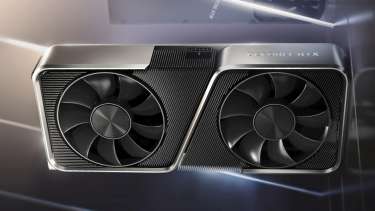
RTX 3070 with 10600k vs 3700x Bottleneck Comparison
Sep 03, 2020 - Save your CPU money and invest it in a powerful GPU instead. So, which affordable yet powerfulrt CPU strikes the best performance-price balance with the NVIDIA RTX 3070?

10600K vs 3600X: Battle of the mid-range CPUs
May 23, 2020 - The best performance to price value mid-range cpus are here. Find out more in this comprehensive review and summary of the Core i5-10600K vs Ryzen 5 3600X's capabilities.

10700K vs 3700X: Specs, 80+ Game Benchmarks, Bottleneck, and Streaming Analysis
May 22, 2020 - Which one is worth it, Core i7-10700K or Ryzen 7 3700X? Find out in this comprehensive review and summary of the Core i7-10700K vs Ryzen 7 3700X's capabilities.

10900K vs 3900X: Specs, 80+ Game Benchmarks, Bottleneck, and Streaming Analysis
May 21, 2020 - 10 cores vs 12 cores. Top-of-the-line very high-end cpus duke it out.
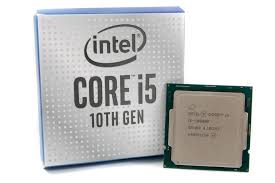
2500K vs 3570K vs 4670K vs 6600K vs 7600K vs 8600K vs 9600K vs 10600K: Should you consider upgrading?
May 21, 2020 - In this massive comparison across 8 generations of Intel Core i5 series CPUs, we explore the performance improvements by generation and whether it is reasonable or not to upgrade to Intel's latest.