AMD Ryzen 7 3800XT Review
| Category | Desktop | ☆ ☆ ☆ ☆ ☆ |
|---|---|---|
| Target | high-end | ☆ ☆ ☆ ☆ ☆ |
| Socket Compatibility | AM4 | ☆ ☆ ☆ ☆ ☆ |
| Integrated Graphics | None | ☆ ☆ ☆ ☆ ☆ |
| Cooler Included | No | ☆ ☆ ☆ ☆ ☆ |
| Overclock Potential | 1 % | ★ ☆ ☆ ☆ ☆ |
| Year | 2020 Model | ★ ★ ★ ★ ★ |
| Price | 399 USD | ★ ★ ★ ☆ ☆ |
| Number of Cores | 8 Cores | ★ ★ ★ ★ ☆ |
| Number of Threads | 16 Threads | ★ ★ ★ ★ ☆ |
| Core Frequency | 3.9 GHz | ★ ★ ★ ☆ ☆ |
| Boost Frequency | 4.7 GHz | ★ ★ ★ ★ ☆ |
| Max Stable Overclock | 4.7 GHz | ★ ★ ★ ★ ☆ |
| Power Consumption | 105 W | ★ ☆ ☆ ☆ ☆ |
| Manufacturing Process | 7 nm | ★ ★ ★ ★ ★ |
| L3 Cache | 32 MB | ★ ★ ★ ★ ★ |
| Maximum Supported Memory | 128 GB | ★ ★ ★ ★ ★ |
| Price-Value Score | 57.9 % | ★ ☆ ☆ ☆ ☆ |
| Speed Score | 73 % | ★ ★ ★ ☆ ☆ |
| Productivity Score | 53 % | ★ ☆ ☆ ☆ ☆ |
| Gaming Score | 91 % | ★ ★ ★ ★ ★ |
| Max 1080p Bottleneck | 17 % | ★ ☆ ☆ ☆ ☆ |
| Max 1440p Bottleneck | 8.5 % | ★ ★ ★ ☆ ☆ |
| Max 4K Bottleneck | 4.3 % | ★ ★ ★ ★ ☆ |
| Overall Score | 52/100 | ★ ★ ★ ☆ ☆ |
Get to know the Ryzen 7 3800XT! This Desktop processor is a beast in AMD's high-end series. Launched in 2020, it's armed with 8 cores and 16 threads. It runs at a base frequency of 3.9GHz, can boost up to 4.7GHz, and has a power requirement of 105W, ready to power up your gaming rig. The Ryzen 7 3800XT is a product of the Matisse Refresh 7nm process and is a part of the acclaimed Ryzen 7 series.
And guess what? The Ryzen 7 3800XT is the ultimate successor to AMD's previous-gen gaming champion, the Ryzen 7 2700X. The Ryzen 7 2700X was based on the legendary Zen+ and 12nm process, and it made its grand entrance into the gaming scene back in 2018. But now, it's time for the Ryzen 7 3800XT to take the throne and conquer the gaming world!
Can the AMD Ryzen 7 3800XT finally dethrone the king of mainstream CPUs, the Core i7-9700K? It's a maybe. The Ryzen 7 3800XT doesn't quite reach the same single-core performance as its rival, but more games are starting to use all those threads, so who cares!
The AMD Ryzen 7 3rd Generation boasts the Zen 2 architecture, which brings 7nm processors to the mainstream for the first time. But there's more to this story than just a smaller size. Get ready for some serious performance upgrades!
Forget about low single-core performance being a weakness for AMD! With the 4.7GHz turbo boost and some sweet IPC improvements, the Ryzen 7 3800XT is finally competitive on the single-core front. Time to fry some noobs!
So, the switch to 7nm silicon is pretty epic! This lets AMD cram a ton more cache into the CPU. We're talking a combined L2 and L3 cache of 8 x 512 kB and 32. Since the cores are on separate chiplets, they were able to fit way more in – a whopping 8 x 512 kB and 32! This means much faster performance, especially when you're chasing those sweet high FPS in 1080p games. You'll especially notice the difference in classics like Counter Strike: Global Offensive. Git gud noobs!
Finally, shrinking down to 7nm means the CPU sips power like a pro! Thanks to the Zen 2 architecture, AMD Ryzen 7 3 Gen processors like the Ryzen 7 3800XT and Ryzen 7 3700X can be up to 58% more efficient than their Intel counterparts. Not the biggest deal, but hey, lower electricity bills are always welcome, especially these days. Every penny counts!
The past few years, AMD has been clawing its way to the top of the desktop CPU game, and with the AMD Ryzen 7 3800XT, they've finally reached the peak. Move over Intel, there's a new sheriff in town!
AMD just unleashed its Zen 2 architecture, raising the stakes in the high-stakes battle for desktop PC dominance against Intel. This new lineup of chips pushes core counts and raw power to crazy high levels, threatening Intel's reign for the first time in a decade. Buckle up, it's about to get intense!
Introducing the Ryzen 7 3800XT, the high-performance counterpart to the award-winning Ryzen 7 3700X. Both are built on the same 7nm Zen 2 platform, but the Ryzen 7 3800XT cranks the power up to a toasty 105W for those extra cores and threads. We're expecting big things from this one, just like its lower-powered sibling! 'sChoiceHype
Heads up, with a simple overclock, the Ryzen 7 3700X can actually perform almost as well as the Ryzen 7 3800XT, even when the Ryzen 7 3800XT is overclocked too. But the Ryzen 7 3700X is $70 cheaper! Don't get us wrong, the Ryzen 7 3800XT is still a beast and offers more overall performance than Intel's Core i7-9700, but if you're on a budget, the cheaper sibling might be the better call.
The Ryzen 7 3800XT is the more expensive version of the Ryzen 7 3700X, and it shows with its higher base and boost clock speeds: 3.9 GHz and 4.7 GHz, respectively. That's a nice boost in speed, but the real game changer is the higher power delivery (PPT). This lets the motherboard pump more juice (up to 142W) to the Ryzen 7 3800XT compared to the Ryzen 7 3700X's limit of 65W. This extra power allows the Ryzen 7 3800XT to crank up the boost clocks even more aggressively, on both single and multiple cores. That means the performance gap between these two CPUs might be bigger than what the specs on paper suggest.
Alright, listen up. When it comes to pure gaming performance, Intel still holds the crown. If squeezing out every last frame per second is your top priority, then a Intel CPU might be the better choice. But here's the thing: that advantage shrinks at higher resolutions or if you pair the CPU with a less powerful graphics card. mattersToo
But for most gamers who also do other stuff on their PC besides gaming, the Ryzen 7 3800XT is a better overall choice. It offers double the threads compared to the similarly priced Core i7-9700K, and those extra threads come in handy for tasks like editing and encoding videos. The Ryzen 7 chips have always been great for these workloads, and AMD's recent improvements to AVX performance are super impressive.
For gamers on a budget who aren't afraid of a little overclocking and have decent cooling, the Ryzen 7 3700X is a solid option. You can get pretty much the same performance as the Ryzen 7 3800XT (especially for gaming) by overclocking it a bit. Plus, it's cheaper! This is why we gave the Ryzen 7 3700X an Editor's Choice award.
The wait is finally over! The AMD Ryzen 7 3 Gen is here, and the AMD Ryzen 7 3800XT might just be the perfect example of what this new generation brings to the table. It keeps the same core and thread count (8 cores and 16 threads) as its predecessor, the Ryzen 7 2700X. But thanks to the new, smaller 7nm manufacturing process, it delivers significantly better performance while using less power.
Things get interesting when you compare the Ryzen 7 3800XT to its main rival, the Intel Core i7-9700K. The Core i7-9700K costs $374 and has 8 cores, but no HyperThreading. That means the Ryzen 7 3800XT gives you double the processing threads for less money! Sure, Intel still holds the crown for single-core performance, but when it comes to using all the cores at once (multi-core), the AMD Ryzen 7 3800XT is the king.
The AMD Ryzen 7 3800XT, like all the other CPUs in AMD's Matisse Refresh family, is built on a tiny 7nm manufacturing process – the smallest you can find right now. This means it uses less power and runs much faster than previous CPUs.
Shrinking down to a 7nm process gives the Ryzen 7 3800XT a whopping 15% boost in IPC (instructions per clock). Basically, compared to a similar CPU from the last generation (Ryzen 7 2 Gen) clocked at the same speed, you'll get 15% better performance. It might not be a huge difference in everyday tasks, but it's still something.
The high number of threads (over 7!) in the AMD Ryzen 7 3800XT makes it a monster for tasks that use all the cores at once (multi-threaded workloads), especially for the price. If you edit a lot of videos or work with giant spreadsheets, the Ryzen 7 3800XT will give you a noticeable performance boost.
Heads up! If you already have a Ryzen 7 2700X, this new generation doesn't offer a huge jump in performance. You might be better off waiting a year to upgrade or spending more on a higher-end CPU.
AMD has been struggling lately to keep up with the new Core i7 processors. This has forced them to get creative with their existing lineup. The AMD Ryzen 7 3800XT isn't exactly new - it's basically a Ryzen 7 2700X with a higher clock speed. But there's one more twist...
For gamers, both the Core i7-9700K and Ryzen 7 3800XT are great choices. They're neck and neck, with a slight edge to the Intel CPU if you don't overclock it. The Ryzen 7 3800XT's base performance can be achieved with cheaper RAM (around $90), whereas the Core i7-9700K needs faster RAM ($110-$120) to hit the frame rates we showed. The price difference is small though, and with anything less than an RTX 2070 or Vega 64 graphics card, your GPU will bottleneck your performance anyway. BottleneckAtPlay
Today's review is on the AMD Ryzen 7 3800XT, a 8-core desktop processor launched in Jul 2020. AMD sells the Ryzen 7 3800XT without integrated graphics, making it perfect for systems with a dedicated graphics card. It costs $399 and is a great option for those who already have a GPU.
The AMD Ryzen 7 3800XT is a decent performing chip for $399. The main competitor at this price point is the Core i7-9700K, a 8-core unlocked processor with integrated graphics, which costs $374.
If you don't care too much about overclocking and max boost speeds, then the AMD Ryzen 7 3700X is a good option for $274. It also has 8 cores and 16 threads, but with slightly lower clock speeds (3.6GHz base and 4.4GHz boost).
Can you game on AMD's Ryzen 7 CPU? Absolutely! We got a solid 91% score in our gaming benchmarks.
The Ryzen 7 3800XT is a great choice for both gaming and content creation, thanks to its high performance (1.319%) and at least 12 threads. Live streaming, eSports, and uploading gameplay videos are becoming increasingly popular, and this CPU can handle it all.
The Ryzen 7 3800XT boosts up to the advertised 4.7 GHz, and with AMD's software you can push one core even higher to 4.7+0.1 GHz. But don't expect much beyond that without a serious cooler upgrade and manual voltage tweaks.
Building on the success of mainstream Ryzen 7 CPUs, AMD is now attacking the high-end market with the Ryzen 7 3800XT processors, available since Jul 2020.
Which GPU to Pick for AMD Ryzen 7 3800XT
Below is a comparison of all graphics cards average FPS performance (using an average of 80+ games at ultra quality settings), combined with the AMD Ryzen 7 3800XT.
| Graphics Card | Price | Cost Per Frame | Avg 1080p | Avg 1440p | Avg 4K |
|---|---|---|---|---|---|
| AMD Radeon RX 6650 XT 8GB | $ 399 | $ 3 | 133.4 FPS
|
110.5 FPS
|
68.2 FPS
|
| AMD Radeon RX 6950 XT 16GB | $ 1,099 | $ 4.5 | 244.9 FPS
|
202.8 FPS
|
122.3 FPS
|
| AMD Radeon RX 7600 8GB | $ 269 | $ 2 | 132.4 FPS
|
109.8 FPS
|
67.5 FPS
|
| AMD Radeon RX 7900 XT 20GB | $ 899 | $ 3.3 | 269.5 FPS
|
223.2 FPS
|
134.5 FPS
|
| AMD Radeon RX 7900 XTX 24GB | $ 999 | $ 3.4 | 296.4 FPS
|
245.4 FPS
|
148.1 FPS
|
| NVIDIA GeForce RTX 3090 Ti 24GB | $ 1,999 | $ 8.3 | 240.8 FPS
|
203 FPS
|
134.6 FPS
|
| NVIDIA GeForce RTX 4050 8GB | $ 200 | $ 1.7 | 115.5 FPS
|
95.8 FPS
|
61.6 FPS
|
| NVIDIA GeForce RTX 4060 8GB | $ 299 | $ 2.3 | 132.5 FPS
|
111 FPS
|
71.3 FPS
|
| NVIDIA GeForce RTX 4060 Ti 8 GB 8GB | $ 399 | $ 2.7 | 148 FPS
|
123.3 FPS
|
79.3 FPS
|
| NVIDIA GeForce RTX 4070 12GB | $ 599 | $ 2.8 | 215.2 FPS
|
177 FPS
|
115.9 FPS
|
| NVIDIA GeForce RTX 4070 Ti 12GB | $ 799 | $ 2.9 | 273.4 FPS
|
230.5 FPS
|
152.7 FPS
|
| NVIDIA GeForce RTX 4080 16GB | $ 1,199 | $ 4.2 | 284.6 FPS
|
239.9 FPS
|
159.1 FPS
|
| NVIDIA GeForce RTX 4080 Ti 20GB | $ 799 | $ 2.6 | 306.5 FPS
|
258.5 FPS
|
171.4 FPS
|
| NVIDIA GeForce RTX 4090 24GB | $ 1,599 | $ 4.9 | 328.4 FPS
|
277 FPS
|
183.6 FPS
|
| AMD Radeon R7 265 2GB | $ 149 | $ 5.3 | 28 FPS
|
20.4 FPS
|
12.9 FPS
|
| AMD Radeon R9 280 3GB | $ 279 | $ 7.6 | 36.9 FPS
|
29.7 FPS
|
17.1 FPS
|
| AMD Radeon R9 285 2GB | $ 249 | $ 6.5 | 38.1 FPS
|
30.4 FPS
|
17.9 FPS
|
| AMD Radeon R9 295X2 4GB | $ 1,499 | $ 15.4 | 97.6 FPS
|
77.6 FPS
|
50.7 FPS
|
| NVIDIA GeForce GTX 750 Ti 2GB | $ 149 | $ 6 | 25 FPS
|
17.5 FPS
|
11.1 FPS
|
| NVIDIA GeForce GTX TITAN BLACK 6GB | $ 999 | $ 15.3 | 65.4 FPS
|
51.4 FPS
|
33.1 FPS
|
| AMD Radeon R7 370 2GB | $ 149 | $ 5.3 | 28.2 FPS
|
21.1 FPS
|
13.3 FPS
|
| AMD Radeon R9 380 2GB | $ 199 | $ 5.3 | 37.8 FPS
|
30.1 FPS
|
17.9 FPS
|
| AMD Radeon R9 380X 4GB | $ 229 | $ 5.4 | 42.4 FPS
|
33.8 FPS
|
21.1 FPS
|
| AMD Radeon R9 390 8GB | $ 329 | $ 5.7 | 57.3 FPS
|
45.9 FPS
|
26.8 FPS
|
| AMD Radeon R9 390X 8GB | $ 429 | $ 7 | 61.3 FPS
|
50.2 FPS
|
31.2 FPS
|
| AMD Radeon R9 FURY 4GB | $ 549 | $ 8.6 | 63.7 FPS
|
52.4 FPS
|
32.3 FPS
|
| AMD Radeon R9 FURY X 4GB | $ 649 | $ 8.8 | 74.1 FPS
|
62.2 FPS
|
39.1 FPS
|
| AMD Radeon R9 Nano 4GB | $ 649 | $ 9.6 | 67.4 FPS
|
55.6 FPS
|
34.8 FPS
|
| NVIDIA GeForce GTX 950 2GB | $ 159 | $ 5.5 | 28.8 FPS
|
22.5 FPS
|
14 FPS
|
| NVIDIA GeForce GTX 960 2GB | $ 199 | $ 5.5 | 36.4 FPS
|
28.9 FPS
|
17.4 FPS
|
| NVIDIA GeForce GTX 970 4GB | $ 329 | $ 5.5 | 59.3 FPS
|
46.4 FPS
|
29.6 FPS
|
| NVIDIA GeForce GTX 980 4GB | $ 549 | $ 7.8 | 70 FPS
|
55.5 FPS
|
34.2 FPS
|
| NVIDIA GeForce GTX 980 Ti 6GB | $ 649 | $ 8 | 81.6 FPS
|
65.5 FPS
|
40.1 FPS
|
| NVIDIA GeForce GTX TITAN X 12GB | $ 999 | $ 10.7 | 93.8 FPS
|
74.7 FPS
|
45.8 FPS
|
| AMD Radeon RX 460 4GB | $ 140 | $ 5.4 | 25.9 FPS
|
20.3 FPS
|
12.3 FPS
|
| AMD Radeon RX 470 4GB | $ 179 | $ 3.6 | 50.4 FPS
|
40.6 FPS
|
24.8 FPS
|
| AMD Radeon RX 480 8GB | $ 400 | $ 6.9 | 57.6 FPS
|
46.8 FPS
|
29.3 FPS
|
| AMD Radeon RX Vega 56 8GB | $ 399 | $ 4.4 | 91.2 FPS
|
74.5 FPS
|
45.6 FPS
|
| AMD Radeon RX Vega 64 8GB | $ 499 | $ 5.1 | 97.3 FPS
|
79.7 FPS
|
48.7 FPS
|
| NVIDIA GeForce GT 1030 2GB | $ 79 | $ 4 | 19.6 FPS
|
15.4 FPS
|
8.9 FPS
|
| NVIDIA TITAN V 12GB | $ 2,999 | $ 22.6 | 132.6 FPS
|
111.4 FPS
|
71.3 FPS
|
| NVIDIA TITAN Xp 12GB | $ 1,199 | $ 10 | 120.2 FPS
|
99.1 FPS
|
63.3 FPS
|
| AMD Radeon RX 550 2GB | $ 79 | $ 3.9 | 20.5 FPS
|
16.2 FPS
|
9.7 FPS
|
| AMD Radeon RX 5500 XT 8GB 8GB | $ 199 | $ 2.8 | 70.3 FPS
|
55 FPS
|
32.9 FPS
|
| AMD Radeon RX 5500 XT 4GB 4GB | $ 169 | $ 2.7 | 63 FPS
|
49.4 FPS
|
29.5 FPS
|
| AMD Radeon RX 560 4GB | $ 99 | $ 3.4 | 29.3 FPS
|
23 FPS
|
13.8 FPS
|
| AMD Radeon RX 5600 XT 6GB | $ 279 | $ 2.8 | 101.2 FPS
|
82.1 FPS
|
50.2 FPS
|
| AMD Radeon RX 570 4GB | $ 169 | $ 3 | 56.5 FPS
|
45.2 FPS
|
27.1 FPS
|
| AMD Radeon RX 5700 8GB | $ 349 | $ 3.3 | 107.3 FPS
|
87.8 FPS
|
53.8 FPS
|
| AMD Radeon RX 5700 XT 8GB | $ 399 | $ 3.4 | 117 FPS
|
95.8 FPS
|
58.7 FPS
|
| AMD Radeon RX 580 8GB | $ 229 | $ 3.3 | 68.5 FPS
|
53.6 FPS
|
31.9 FPS
|
| AMD Radeon RX 590 8GB | $ 279 | $ 3.6 | 77.3 FPS
|
60.5 FPS
|
36.3 FPS
|
| NVIDIA GeForce GTX 1050 3GB | $ 169 | $ 5.3 | 31.7 FPS
|
25.1 FPS
|
15.1 FPS
|
| NVIDIA GeForce GTX 1050 Ti 4GB | $ 169 | $ 4.5 | 37.3 FPS
|
29.8 FPS
|
18.2 FPS
|
| NVIDIA GeForce GTX 1060 6GB 6GB | $ 254 | $ 4 | 63.5 FPS
|
50.1 FPS
|
30.7 FPS
|
| NVIDIA GeForce GTX 1060 3GB 3GB | $ 170 | $ 2.8 | 60.3 FPS
|
47.7 FPS
|
29.2 FPS
|
| NVIDIA GeForce GTX 1070 8GB | $ 399 | $ 4.5 | 88.8 FPS
|
71 FPS
|
43.2 FPS
|
| NVIDIA GeForce GTX 1070 Ti 8GB | $ 409 | $ 4.2 | 96.5 FPS
|
77.8 FPS
|
47.6 FPS
|
| NVIDIA GeForce GTX 1080 8GB | $ 499 | $ 4.8 | 104.1 FPS
|
84 FPS
|
51.6 FPS
|
| NVIDIA GeForce GTX 1080 Ti 11GB | $ 759 | $ 6.2 | 122.6 FPS
|
102.7 FPS
|
64.1 FPS
|
| NVIDIA GeForce GTX 1650 4GB | $ 149 | $ 2.8 | 54 FPS
|
43.2 FPS
|
26.4 FPS
|
| NVIDIA GeForce GTX 1650 SUPER 4GB | $ 160 | $ 2.3 | 70.9 FPS
|
57 FPS
|
34.9 FPS
|
| NVIDIA GeForce GTX 1660 6GB | $ 220 | $ 2.7 | 81.4 FPS
|
65.7 FPS
|
40.2 FPS
|
| NVIDIA GeForce GTX 1660 SUPER 6GB | $ 229 | $ 2.6 | 86.5 FPS
|
69.8 FPS
|
42.9 FPS
|
| NVIDIA GeForce GTX 1660 Ti 6GB | $ 279 | $ 3 | 91.8 FPS
|
74 FPS
|
45.3 FPS
|
| NVIDIA GeForce RTX 2060 6GB | $ 350 | $ 3.4 | 102.8 FPS
|
79.3 FPS
|
48.3 FPS
|
| NVIDIA GeForce RTX 2060 SUPER 8GB | $ 400 | $ 3.7 | 109.3 FPS
|
86.2 FPS
|
53.5 FPS
|
| NVIDIA GeForce RTX 2070 8GB | $ 499 | $ 4.3 | 115.5 FPS
|
92.6 FPS
|
58.5 FPS
|
| NVIDIA GeForce RTX 2070 SUPER 8GB | $ 499 | $ 4.1 | 121.8 FPS
|
99.1 FPS
|
61.8 FPS
|
| NVIDIA GeForce RTX 2080 8GB | $ 699 | $ 5.3 | 130.8 FPS
|
107.7 FPS
|
66.7 FPS
|
| NVIDIA GeForce RTX 2080 SUPER 8GB | $ 699 | $ 5.1 | 138.3 FPS
|
115.1 FPS
|
71.9 FPS
|
| NVIDIA GeForce RTX 2080 Ti 11GB | $ 1,299 | $ 8.5 | 152.4 FPS
|
128.1 FPS
|
80.4 FPS
|
| NVIDIA TITAN RTX 24GB | $ 2,499 | $ 16 | 156.6 FPS
|
131.6 FPS
|
82.6 FPS
|
| AMD Radeon VII 16GB | $ 699 | $ 5.8 | 120.2 FPS
|
98.4 FPS
|
60.4 FPS
|
| AMD Radeon RX 6600 XT 8GB | $ 379 | $ 3 | 125.2 FPS
|
103.2 FPS
|
63.3 FPS
|
| AMD Radeon RX 6700 XT 12GB | $ 479 | $ 3.2 | 150.5 FPS
|
124 FPS
|
75.1 FPS
|
| AMD Radeon RX 6800 16GB | $ 579 | $ 3.2 | 178.8 FPS
|
146.3 FPS
|
89.7 FPS
|
| AMD Radeon RX 6800 XT 16GB | $ 649 | $ 2.9 | 225.8 FPS
|
184.7 FPS
|
113.4 FPS
|
| AMD Radeon RX 6900 XT 16GB | $ 999 | $ 4.2 | 239.8 FPS
|
196.2 FPS
|
120.4 FPS
|
| NVIDIA GeForce RTX 3050 Ti 6GB | $ 249 | $ 2.6 | 94.3 FPS
|
75.5 FPS
|
47.1 FPS
|
| NVIDIA GeForce RTX 3060 12GB | $ 329 | $ 2.9 | 114.6 FPS
|
93.5 FPS
|
58.9 FPS
|
| NVIDIA GeForce RTX 3060 Ti 8GB | $ 399 | $ 2.9 | 139.7 FPS
|
116.7 FPS
|
74.2 FPS
|
| NVIDIA GeForce RTX 3070 8GB | $ 499 | $ 2.9 | 170.5 FPS
|
138.8 FPS
|
86.6 FPS
|
| NVIDIA GeForce RTX 3070 Ti 10GB | $ 599 | $ 3.1 | 191.3 FPS
|
156.9 FPS
|
99.6 FPS
|
| NVIDIA GeForce RTX 3080 10GB | $ 699 | $ 3.1 | 222.9 FPS
|
181.4 FPS
|
113.1 FPS
|
| NVIDIA GeForce RTX 3080 Ti 20GB | $ 799 | $ 3.6 | 223 FPS
|
185 FPS
|
119.7 FPS
|
| NVIDIA GeForce RTX 3090 24GB | $ 1,499 | $ 5.9 | 255.8 FPS
|
208.1 FPS
|
129.8 FPS
|
Intel Vs AMD: Which CPU is Best?
Jul 12, 2020 - A rivalry for the ages, and a question often asked and wondered about. Whenever you want to build or upgrade your PC, you have to make a decision: Buy an Intel or AMD processor?
Impact of RAM Size and Speed on Gaming Benchmarks
Jul 5, 2020 - Does RAM size and speed affect your gaming performance? should you invest in a high performance RAM kit? Find out here.

Who Is Lilith and What Terrifies Us About This Diablo Demon?
Jul 24, 2023 No evil entity is more scary than Lilith herself, shrouded in darkness.
Why You Should Always Buy a Mid-to-High-Range Gaming PC?
Jun 23, 2020 - Mid- and high-range builds perform very well for their price, and are better than the entry-level in terms of power, longevity, and reliability, and they offer more bang for your buck especially when looking at their price-by-year advantage.

Should you buy a Pre-Built PC or a Custom PC?
Jun 11, 2020 - Pre-built systems are an attractive option for those who are less concerned with the minute details of every component in their build. Building your own PC is the best solution for those who want full control over every aspect of their build. It provides the most thorough customization options, from the CPU to the fans and lighting.

How to use CPUAgent To Find The Right CPU
Jun 2, 2020 - How to find the Right CPU? Whether you’re building or upgrading a PC, the processor matters a lot. CPUAgent is the right tool to help you find and choose the right CPU for your needs.
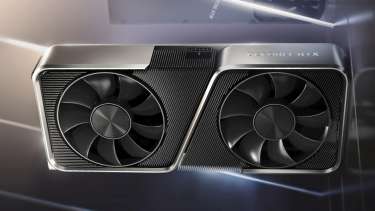
RTX 3070 with 10600k vs 3700x Bottleneck Comparison
Sep 03, 2020 - Save your CPU money and invest it in a powerful GPU instead. So, which affordable yet powerfulrt CPU strikes the best performance-price balance with the NVIDIA RTX 3070?

10600K vs 3600X: Battle of the mid-range CPUs
May 23, 2020 - The best performance to price value mid-range cpus are here. Find out more in this comprehensive review and summary of the Core i5-10600K vs Ryzen 5 3600X's capabilities.

10700K vs 3700X: Specs, 80+ Game Benchmarks, Bottleneck, and Streaming Analysis
May 22, 2020 - Which one is worth it, Core i7-10700K or Ryzen 7 3700X? Find out in this comprehensive review and summary of the Core i7-10700K vs Ryzen 7 3700X's capabilities.

10900K vs 3900X: Specs, 80+ Game Benchmarks, Bottleneck, and Streaming Analysis
May 21, 2020 - 10 cores vs 12 cores. Top-of-the-line very high-end cpus duke it out.
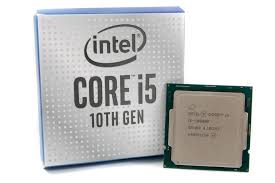
2500K vs 3570K vs 4670K vs 6600K vs 7600K vs 8600K vs 9600K vs 10600K: Should you consider upgrading?
May 21, 2020 - In this massive comparison across 8 generations of Intel Core i5 series CPUs, we explore the performance improvements by generation and whether it is reasonable or not to upgrade to Intel's latest.